Authored by Everitt Merritt, GNA and Watersheds Program Manager with the Colorado State Forest Service
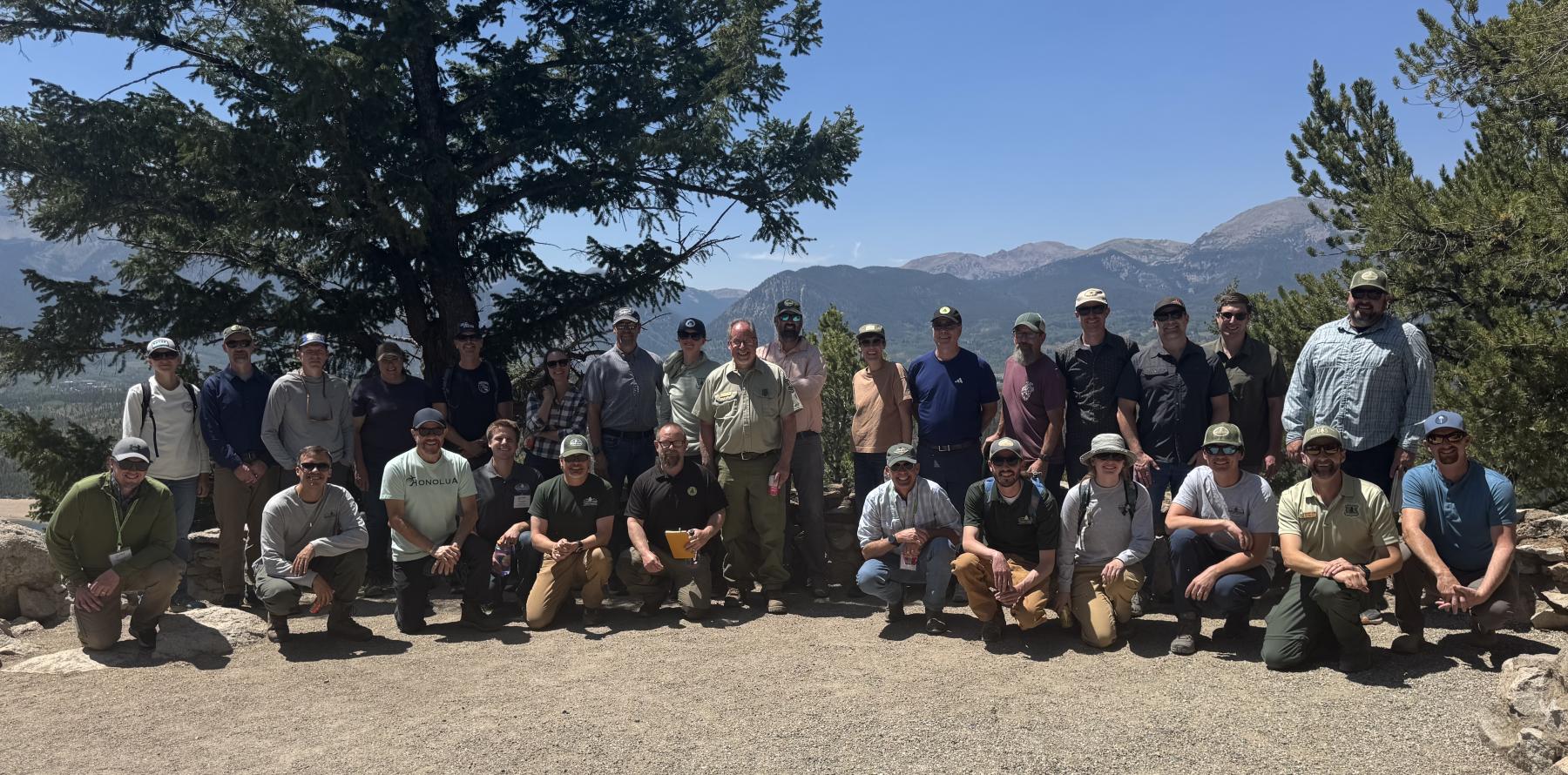
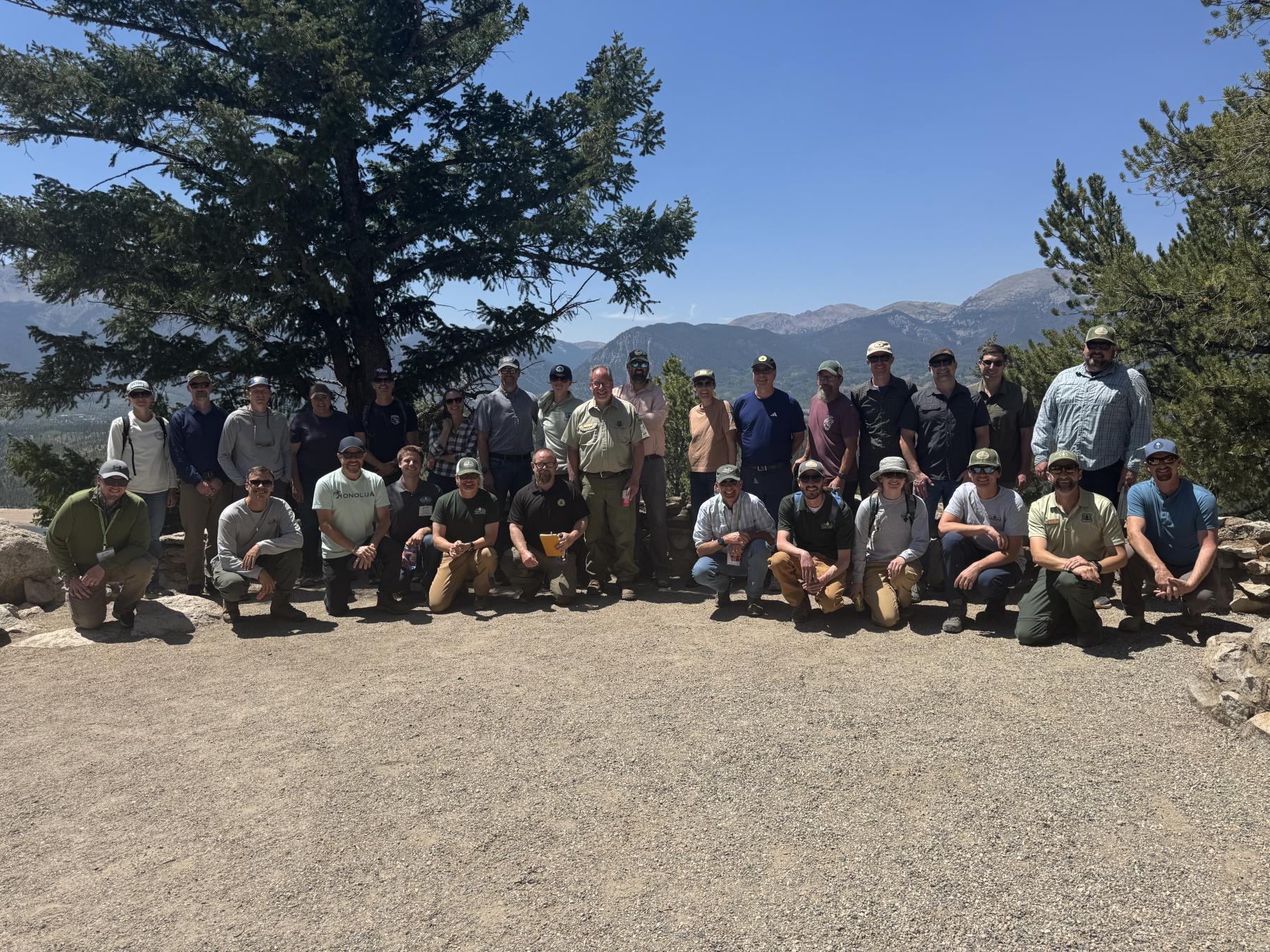
The Council of Western State Foresters (CWSF) Good Neighbor Authority (GNA) Committee gathered August 4-6, 2026, in Dillon, Colorado, for its fourth annual meeting. Established by CWSF in 2017, the GNA Committee exists to share knowledge between western state forestry agencies and serve as a resource to State Foresters and federal partners.
GNA leads and technical specialists from across CWSF member states were joined by Colorado State Forester Matt McCombs, Wyoming Assistant State Forester Matt Marshall, and Arizona State Forester Tom Torres; Shawn Thomas, Senior Advisor to USDA Forest Service Chief Tom Schultz; Rob Barnhart, Forest Service Washington Office GNA Program Manager; Dillon District Ranger David Ilse; representatives from Denver Water, the Colorado Department of Natural Resources Executive Director's Office, and Summit County government including County Commissioner Nina Waters; CWSF staff; and Colorado wood-utilization partners.
Meeting Focus
This year's meeting focused on navigating transitions and building long-term operational consistency across federal and state land management programs as state forestry agencies expand their implementation of Shared Stewardship. Participants evaluated future GNA agreement structures, addressed federal reorganizations, learned valuable lessons from local partners, and produced key recommendations on national policy and reporting tools.
Over three days, meeting participants:
- Heard directly from State Foresters on moving state involvement upstream in federal land management planning.
- Evaluated future GNA agreement structures, including standalone agreements, general terms and conditions, and new OMB guidance.
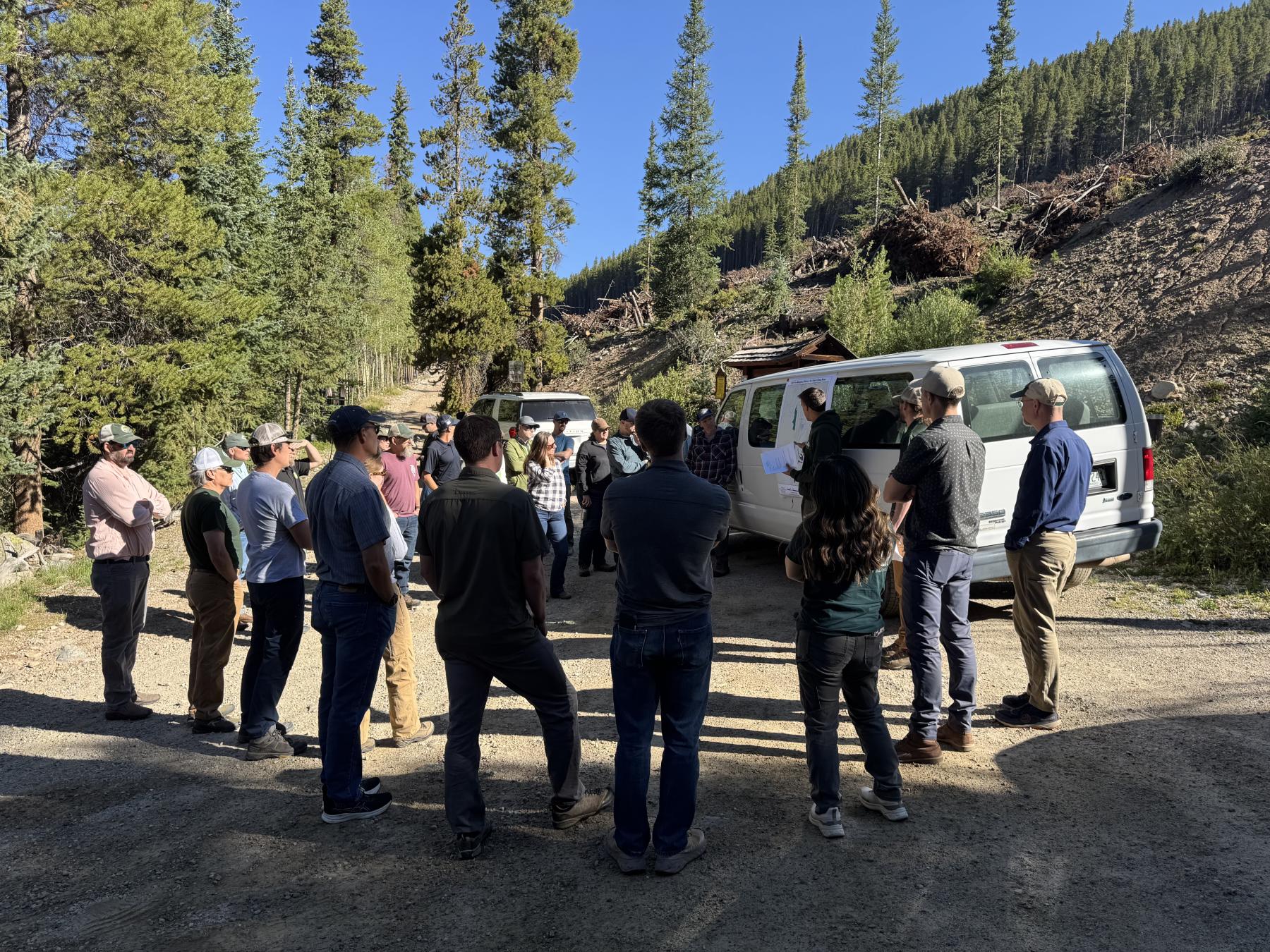
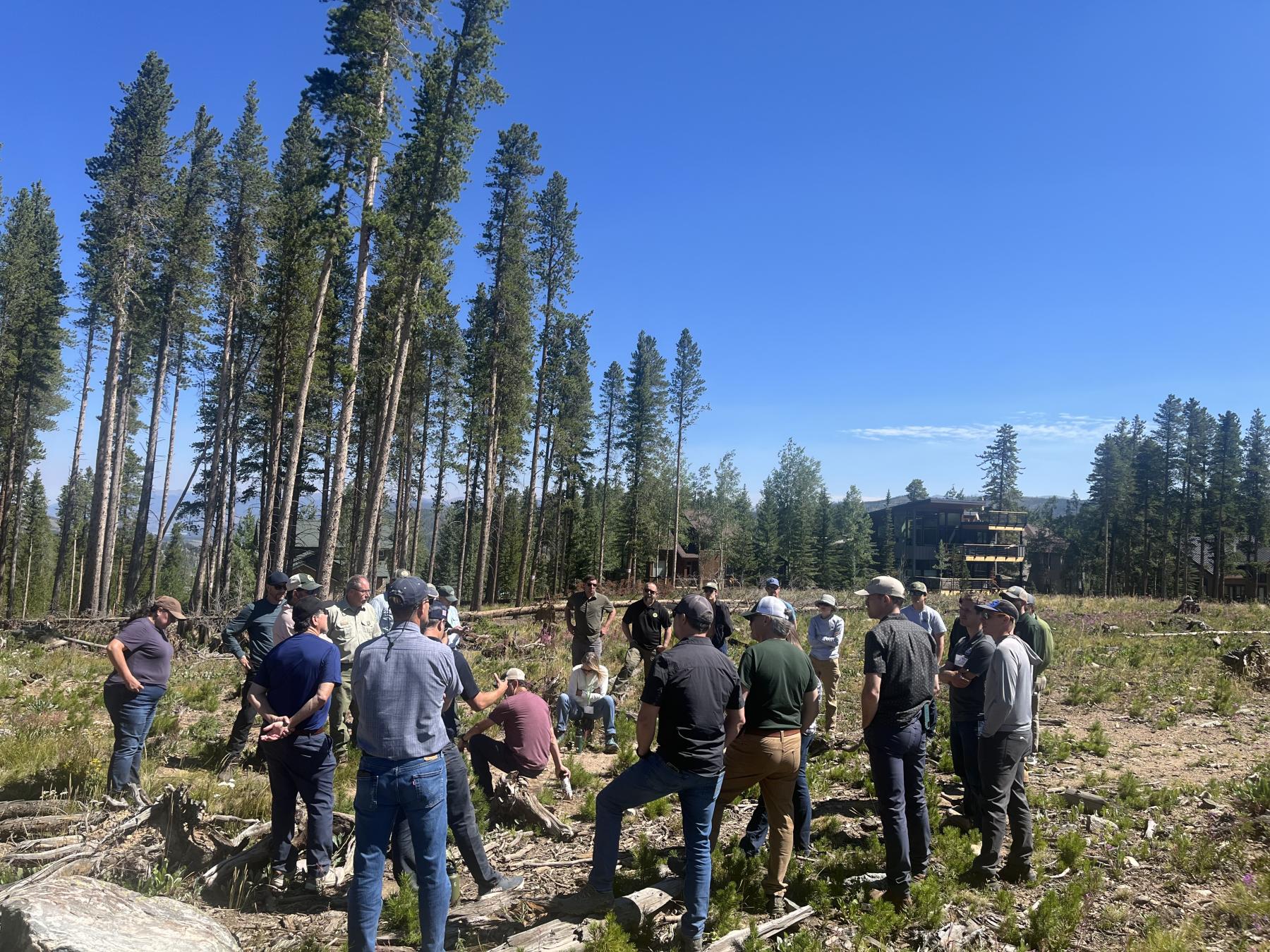
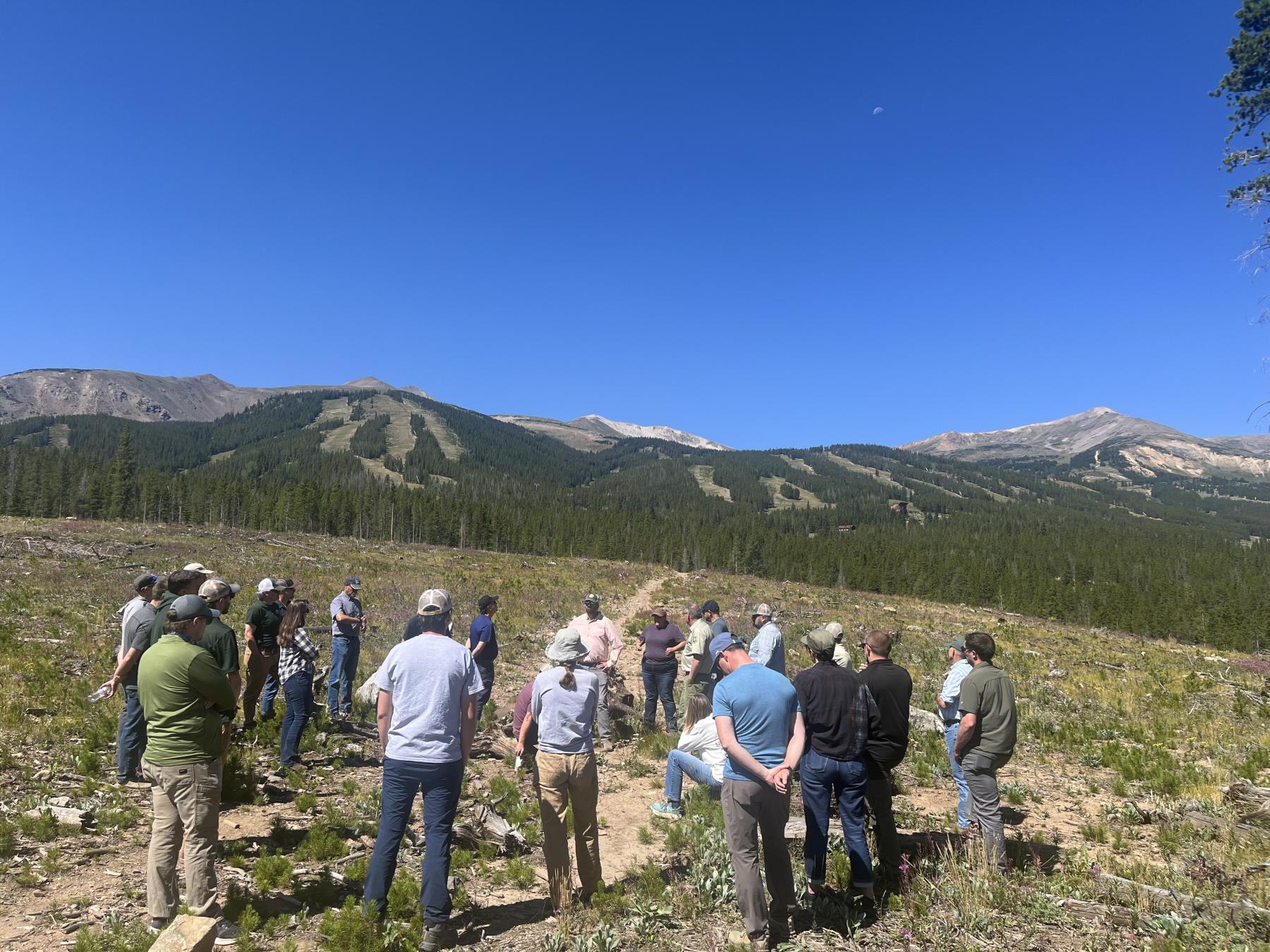
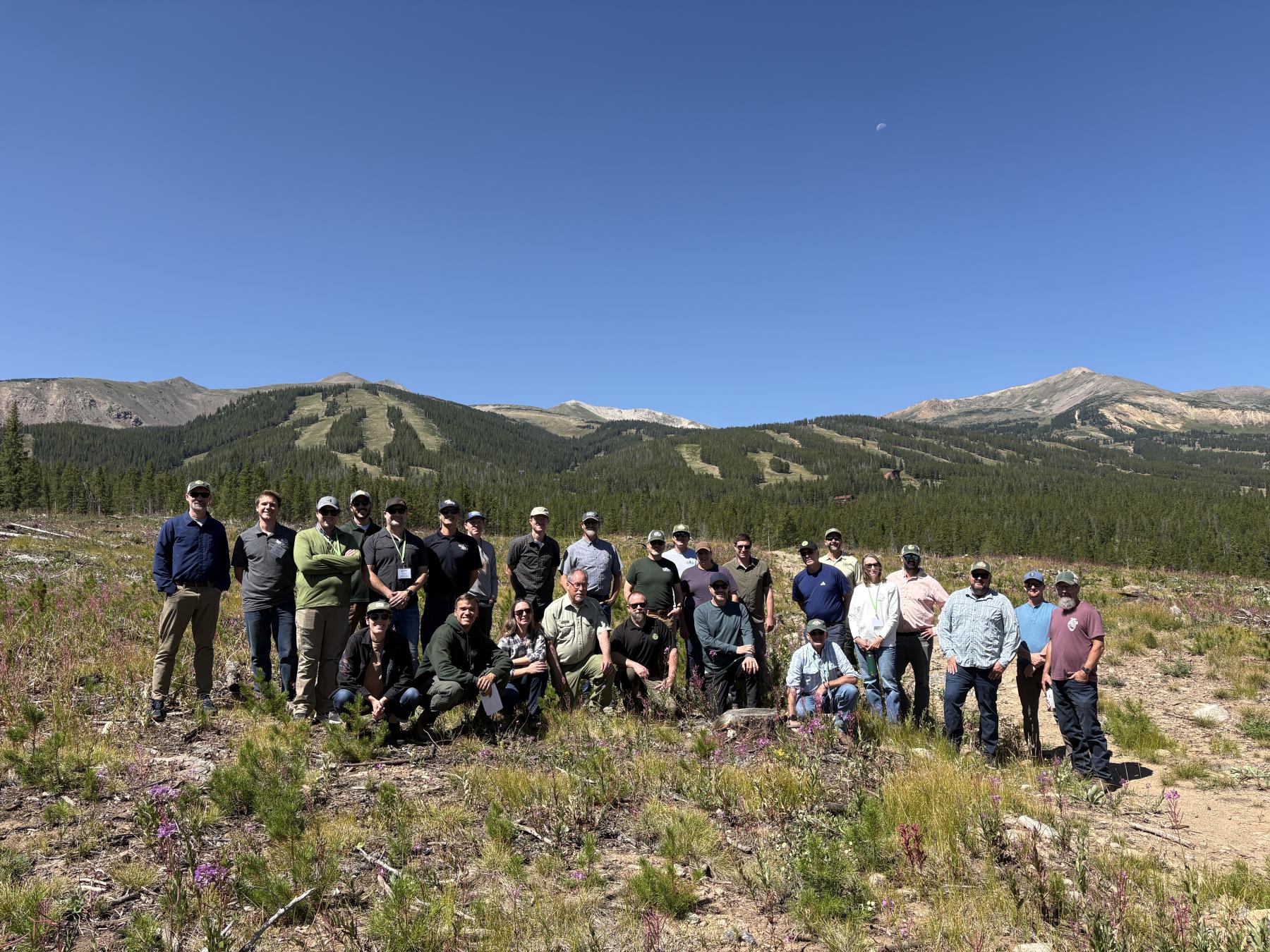
- Explored local utility and county collaboration during the Summit County partners panel and toured completed GNA projects in the Breckenridge area.
- Evaluated service-based execution mechanisms, including New Mexico’s Service Sale offset framework, to maintain active management in areas lacking commercial timber market infrastructure.
- Established the committee's 2027 work plan, including updating GNA web resources and FAQs, advancing DOI and data workgroup priorities, establishing a new workgroup to advise CWSF and the National Association of State Foresters (NASF) on the Forest Service reorganization, providing subject matter expertise to support State Foresters response to GNA national policy actions, and capturing state forestry agency GNA accomplishments and successes.
State and Federal Perspectives
The meeting kicked off with a dynamic State Forester panel featuring Matt McCombs (CO), Matt Marshall (WY), and Tom Torres (AZ). Panelists discussed the evolving dynamics of cooperative federalism and Shared Stewardship in the West.
During the panel, State Forester Matt McCombs emphasized that for states to be true partners in Shared Stewardship, they must be at the table early to shape management decisions before plans are locked in, rather than just executing at the end.
Arizona State Forester Tom Torres added that GNA has proven what states can deliver, noting that state forestry agencies provide the stability and local relationships needed to sustain ground-level momentum during federal shifts.
During the administrative alignment sessions, Shawn Thomas, Senior Advisor to Forest Service Chief Tom Schultz, provided critical updates on federal organizational shifts and agency direction. Attendees engaged in deep-dive discussions on the future structure of GNA instruments with Thomas and Forest Service Washington Office GNA Program Manager Rob Barnhart, exploring the possible transition toward standalone agreements, the implementation of updated general terms and conditions, and alignment with new OMB guidance.
Lessons From the Field
Dillon District Ranger David Ilse brought a grounded field perspective to the meeting, highlighting the multi-faceted nature of forest management on the most visited Ranger District of the most visited National Forest in the National Forest System. District Ranger Ilse highlighted how active timber management integrates with broader resource goals in central Colorado, noting that commercial treatments directly support a full spectrum of critical forest benefits, including headwater protection for downstream water supplies, enhanced recreation access, and community wildfire resilience.
A major highlight of the meeting was the Summit County partners panel, featuring representatives from Denver Water, the Colorado State Forest Service, the White River National Forest, and Summit County government. Panelists shared key takeaways on how local funding mechanisms, municipal water utility investments, and county-level leadership can combine with GNA to scale up fuels reduction around mountain communities. Madelene McDonald of Denver Water highlighted the economic necessity of upstream treatments, pointing out that utility investments in proactive forest management and watershed health are far more cost-effective than absorbing the downstream reactive costs of wildfire response.
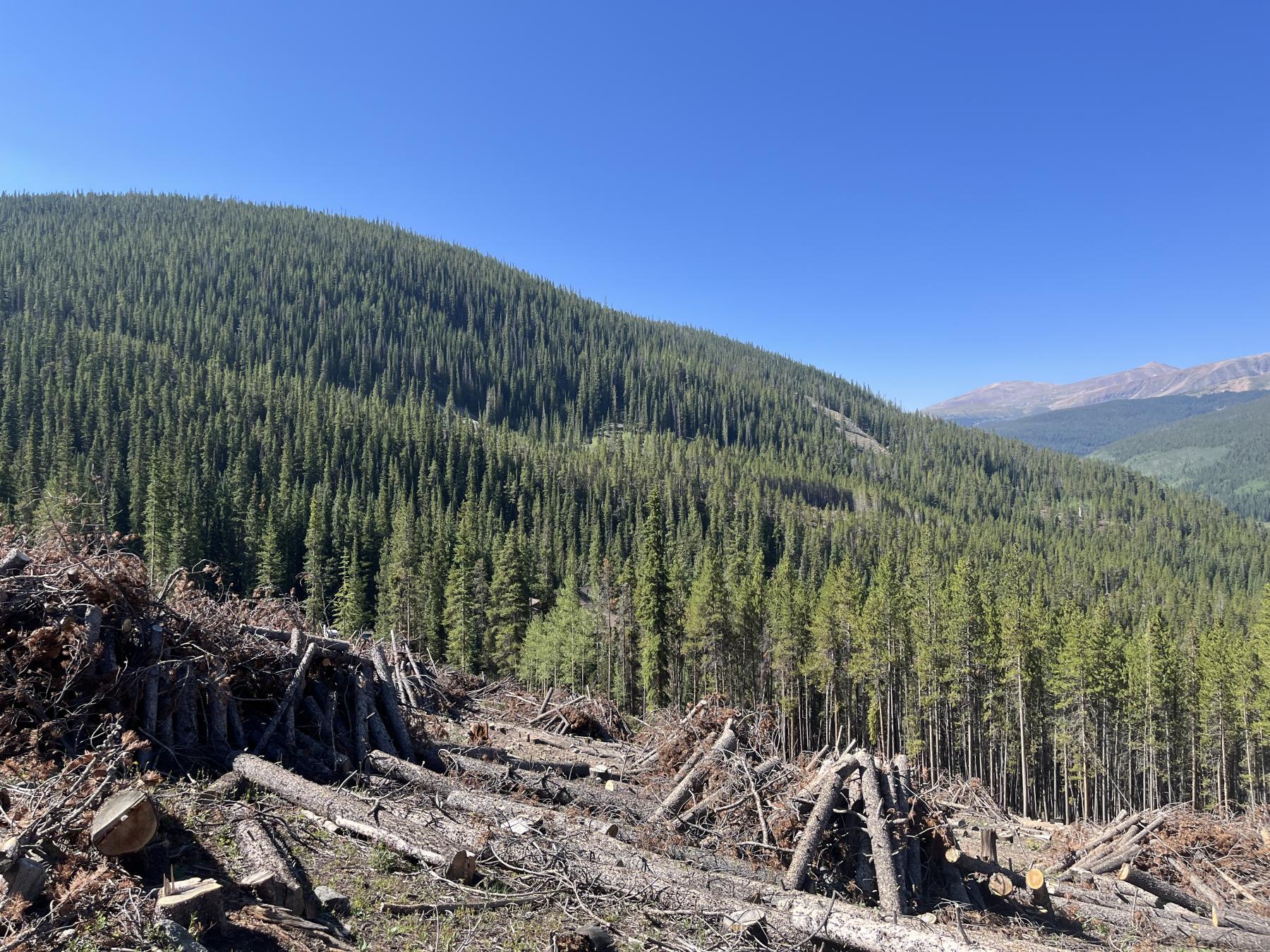
The tour visited two completed CSFS GNA projects on the White River National Forest: Blue River East, a cross-boundary hand-cut and pile fuels reduction service project, and White Cloud, a GNA timber sale that created a strategic fuel break between the White Cloud neighborhood and Breckenridge Ski Area. Discussions focused on managing non-merchantable biomass when markets are lacking, with land managers emphasizing that while removing biomass is essential for forest health, local steep slopes and road work can make biomass utilization more costly than traditional piling and burning.
Looking Ahead
The final day focused on organizational action items, committee governance, and long-term planning. Participants addressed the impacts of federal administrative restructuring on GNA planning and established a new reorganization workgroup to monitor policy shifts and advise State Foresters in GNA recommendations pertaining to the new state offices. The committee also mapped out its 2027 work plan, assigning the incoming Secretary to coordinate with CWSF to update website resources and FAQs, continuing the DOI improvements workgroup, and continuing the data workgroup. Finally, members outlined key advisory recommendations to inform the NASF on its upcoming Federal Forest Management policy position update.
Learn more about the CWSF GNA Committee and learn more about GNA.
Photo Credit: Neil Simpson, Kelsey Delaney, and Sarah Harvey.